
The term “cat lady” has long been weighed down by stereotypes and negative connotations. For decades, it’s been used to belittle and caricature women — painting them as lonely, eccentric, and socially isolated figures who prefer feline companionship to human connection. This trope has persisted in pop culture, advertising, and even political rhetoric, shaping perceptions of women who love cats as somehow incomplete or undesirable.
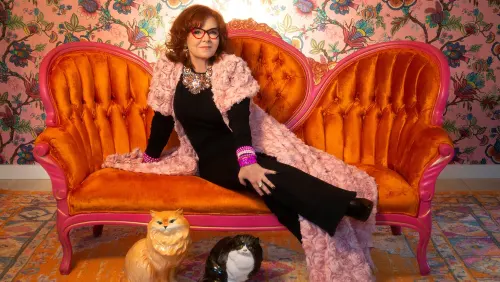
“When I started, everyone had a fixed idea of what a cat person looked like,” says CatCon founder Susan Michals. “Very Eleanor Abernathy from The Simpsons — a hoarder, a spinster, 60-plus.” Abernathy, the fictional “Crazy Cat Lady” who throws cats and mutters incoherently, embodies the pop culture stereotype that has long overshadowed the reality of who cat lovers truly are. For Michals, that outdated and damaging image was exactly what needed to change.
The “cat lady” stereotype is not just a harmless joke — it’s rooted in a long history of using cats as a tool for mocking and marginalizing women. As far back as the early 20th century, anti-suffrage campaigns in the United States and the United Kingdom featured images of angry, hissing cats to portray women seeking the right to vote as hysterical and irrational. The message was clear: women who stepped outside traditional roles were unnatural and dangerous, much like the cats they were associated with. This connection between cats and femininity — and by extension, ridicule — has endured for more than a century.
Even in contemporary times, the trope surfaces in subtle but powerful ways. During recent presidential elections, female candidates and political figures have been labeled “cat ladies” as a means of undermining their credibility, painting them as emotional, weak, or unfit for leadership. The implication is that a woman who shows affection for animals — especially cats — is somehow less serious, less professional, or less capable. It’s a gendered insult that has evolved, but never fully disappeared.
Susan Michals recognized this disconnect — between the stereotype and the reality — and set out to rewrite the narrative. In 2015, she founded CatCon, a convention dedicated to celebrating cat culture and the people who embrace it. What began as a niche event quickly grew into a cultural phenomenon, attracting tens of thousands of attendees from around the world. Far from the caricature of the lonely “cat lady,” CatCon attendees are diverse, vibrant, and often highly influential — including artists, Entertainments, veterinarians, influencers, and even celebrities.
Michals’ mission goes beyond organizing an event; it’s about reclaiming and redefining the identity of the “cat person.” She emphasizes that loving cats — or any animal — is not a sign of isolation but of empathy, responsibility, and connection. In fact, many cat lovers today are busy, ambitious individuals who find joy, companionship, and inspiration in their pets. Cats have become cultural icons in Charts, design, social media, and even tech, reflecting broader lifestyle values rather than outdated stereotypes.
In recent years, there’s been a noticeable shift in how society views cat enthusiasts, thanks in part to movements like CatCon and the rise of “petfluencers” online. The once-derogatory label “cat lady” is being reimagined as a badge of pride — a celebration of independence, compassion, and authenticity. Women are reclaiming the term, transforming it from a stereotype into a symbol of empowerment and individuality.
The evolution of the “cat lady” narrative is part of a larger cultural reckoning with how we label and limit women. By challenging and rewriting these stereotypes, leaders like Susan Michals are not just elevating cat culture — they’re contributing to a broader conversation about gender, identity, and societal expectations. And in doing so, they’re proving that there’s nothing “crazy” about loving cats — it’s simply another expression of care, creativity, and community.